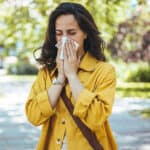
When you think of seasonal allergies, spring may be the first season that comes to mind. But across the South—and especially here in North Texas—August can bring a new mix of allergy triggers, even while some summer allergens are still hanging around.
Late-summer weeds, especially ragweed, begin releasing pollen that can trigger symptoms well into the fall. At the same time, grasses may still be contributing to symptoms in some areas. And our warm, humid Southern climate means mold can be an allergy trigger throughout much of the year.
If you suddenly find yourself sneezing, congested, or reaching for the tissues, seasonal allergies could be to blame.
Is It Allergies or a Summer Cold?
A stuffy or runny nose can make it easy to assume you’ve caught a cold, but certain symptoms may point toward allergies instead.
Common symptoms of seasonal allergies include:
-
Sneezing
-
Stuffy or runny nose
-
Itchy nose or throat
-
Itchy or watery eyes
-
Postnasal drip
-
Nasal congestion
One important clue is itching. According to clinical resources from the American Academy of Allergy, Asthma & Immunology (AAAAI), an itchy nose, eyes, or throat is common with allergic rhinitis but far less typical of a viral cold.
Allergy symptoms also tend to persist or return whenever you’re ehttps://www.google.com/search?q=https://www.aaaai.org/tools-for-banner-ads/conditions-library/allergies/rhinitisxposed to an environmental trigger, while a typical viral illness eventually runs its course in 7 to 10 days.
What’s Triggering Late-Summer Allergies?
There isn’t just one culprit. Several outdoor allergens can overlap during late summer in North Texas:
-
Ragweed and other weeds: Weed pollen becomes an increasingly common trigger as summer progresses into fall. According to the Asthma and Allergy Foundation of America (AAFA), ragweed is one of the best-known offenders. Its lightweight pollen can travel hundreds of miles through the air, so you don’t need to have ragweed growing in your own yard to experience symptoms.
-
Grass pollen: Don’t count grass out just because summer is winding down. Depending on where you live and local weather conditions, grasses may continue contributing to allergy symptoms.
-
Mold: Warm temperatures, high humidity, and frequent rain create favorable conditions for mold. Outdoor mold spores can be found year-round in the South and may be especially troublesome during warm, wet weather.
That overlap can make late August and early fall a particularly frustrating time for people with multiple environmental allergies.
What Can You Do About Late-Summer and Fall Allergies?
Reducing your exposure to allergens is a vital first step. Our team recommends reviewing our detailed Allergy Information Sheet for daily environmental controls, including:
-
Checking local pollen and mold counts via the National Allergy Bureau and limiting extended outdoor activity when levels are particularly high.
-
Keeping windows closed when outdoor allergen levels are elevated.
-
Showering and changing clothes after spending significant time outdoors to wash away stubborn pollen.
-
Avoiding bringing pollen-covered shoes and clothing into bedrooms.
-
Addressing excess moisture or humidity inside your home that can encourage indoor mold growth.
-
Talking with a healthcare provider about appropriate allergy medications and treatment options.
Depending on your symptoms, initial medical treatment may include antihistamines, targeted nasal sprays, or other daily therapies.
When Is It Time to See a Specialist?
If you’re relying on over-the-counter medications but still struggling with congestion, sneezing, sinus pressure, or recurring symptoms, it may be time to find out what’s actually triggering your reactions.
Comprehensive testing at our specialized Allergy & Sinus Center can identify your exact environmental triggers. This allows your care team to develop a personalized treatment strategy. For patients whose symptoms aren’t adequately controlled with standard medications, long-term options like routine allergy shots or painless Sublingual Immunotherapy (SLIT) allergy drops may be recommended to build lasting tolerance.
In the South, allergy season doesn’t always fit neatly into one calendar season—but that doesn’t mean you have to live with the symptoms.
Ready to breathe easier? Review our primary ENT services or schedule an appointment with our specialist team in Frisco, McKinney, Plano, Anna, or Prosper today!